Biodynamic Foods: Better Than Organic? Understanding the Choice for Your Family
Few daily decisions compound as much as what you choose to feed your family. There’s far more at stake than simply satisfying taste buds. Rather, a consistent habit of nutritious meals will set kids up for long, healthy futures.
We know, we know, you must be thinking. Quality food begins with quality ingredients, obviously! If only shopping were that straightforward. Making the right nutrition choices comes down to nuance and education, but success can be simple when you know what to prioritize. Here’s a closer look at why biodynamic foods offer some of the best nutrition for your family, all while nurturing the natural fertility of the planet and encouraging environmental sustainability.
What Is Biodynamic Farming?
By the global biodynamic certifier Demeter Association Inc’s definition, biodynamic farming is a holistic, ecological, and regenerative agricultural system that treats the entire farm as a self-sustaining, living organism. It’s a method of agriculture that is as concerned with the health of the entire ecosystem as it is with cash crop production. Biodynamic growing techniques use compost, natural pest control methods, and even the gravitational pull of the moon to restore and harmonize the farm’s relationship with its surrounding environment. Think of biodynamic farms as living organisms that must be managed in equal measure for efficiency, sustainability, and nutritional content.
Many biodynamic practices are as old as agriculture, but the philosophy itself is based on the 1900-1924 lectures of Dr. Rudolf Steiner. Today, his methodology is practiced in over fifty countries and includes thousands of gardens, orchards, ranches, and large farms. Certification standards are stringent at every level. Farmland must set aside 10% of its acreage as a biodiversity preserve, follow a two-year annual crop rotation, and use all-natural preparations for soil health. Organic certification is a prerequisite, and genetically modified organisms (GMOs) are forbidden in all forms.
More Nutrients, More Health: The Benefits of Biodynamic Farming
Industrial farming techniques might maximize yields, but this record-breaking output comes at a cost for your family. We’re talking compromises in nutrient levels, health impacts, and even taste.
Industrial Farming = Less Nutritional Bang for Your Buck
The amount of vitamins and minerals in common crops has decreased in recent decades, partly because farms use pesticides and herbicides so heavily. These chemicals act as biological crutches, allowing treated plants to slow their antioxidant production.
That’s a problem from a nutritional standpoint, as struggling to survive is how plants gain much of their nutrition. Allowing chemicals to do the hard work for them only results in lower vitamin production and less nutrition for you.
In fact, surveys of existing literature comparing the nutritional content of organic and conventional crops find that organic crops contain more vitamin C, iron, magnesium, and phosphorus than conventional varieties, as well as fewer nitrates and heavy metals. A study from the University of Newcastle found that organically grown vegetables have up to 30% more vitamins and antioxidants than conventional varieties, making them ideal for naturally boosting your health.
Biodynamic farming may deliver even better results. A study from the Biodynamic Farming and Gardening Association in Australia found that biodynamic crops had 47% more vitamin C, 13% more magnesium, and 8% more potassium.
The result? Statistically significant differences in crops grown without synthetic fertilizers and pesticides, and the benefits only increase when food is grown in truly biodynamic ways.
Better Health from Better Grown
While the research on organic foods and human health is still developing, extensive studies have shown that animals fed organic foods suffer from fewer illnesses over their lifetimes. This is likely due to higher levels of vitamin C and zinc, which help support immune function.
Taste Improves, Too
Preliminary studies show that the benefits of biodynamic farming go beyond nutrition and positively impact flavor. A study in the American Journal of Ecology and Viticulture found that grapes grown with biodynamic techniques scored ideal tasting scores, even compared to crops grown organically.
Certified Organic vs Biodynamic Foods
Buying organic is easier and more affordable than ever before. Better yet, each purchase seems to be a net positive for the environment and animal welfare. Sounds like the perfect purchase, right? But organic isn’t as good as it gets. Certified Biodynamic foods are considered ‘superior organics’ because they're grown in a way that goes above and beyond organic standards.
In some ways, organic foods are a victim of their own success. An explosion of supermarket options has increased competition (and potential profitability) for food brands, leading them to exploit loopholes in organic certification.
For example, powerful farm lobbyists have created lax organic certification regulations, meaning many organic farms can still rely on chemical pesticides like Bt while doing little for environmental sustainability.
Biodynamic products, in contrast, go a step farther than organic certification and aim to maintain or improve sustainability for the entire farm ecosystem. The biodynamic certification process follows the spirit of what many consumers expect from organic—without the loopholes.
Seven Advantages of Biodynamic Farming for Your Family
Not convinced? Here’s a deeper look at what certified biodynamic foods mean for farmers, your family, and the planet at large.
1) The Biodynamic Farm: a self-contained and self-sustaining organism: Biodynamic farmers only keep as much livestock as their property can support. This produces a sustainable amount of manure—not too much—to keep the land fertile and arable. Working within the land's limits also reduces the need for imported feed and fertilizers.
2) Top Priority is Animal Welfare: Biodynamic cattle aren’t subjected to dehorning, a painful practice on conventional and organic farms that serves to prevent injuries for stressed animals in too-small spaces. The Demeter association has also worked to develop parent flocks and hatcheries for certified Biodynamic poultry as well as a bull project as an alternative to artificial insemination.
3) Your Food Eats as Well (Better?) Than You: At least 80% of feed must be certified Biodynamic and at least 50% must come from the farm itself. It is always known exactly what is fed to livestock: herb-packed green fodder, fragrant hay, freshly shredded grain and/or legumes.
4) Only 14 Allowed Additives. Period: USDA Organic allows about four times as many additives in your food as Biodynamic certification. Neither artificial nor natural aroma is permitted; only flavoring substances gained from fruits can be used. Biodynamic also doesn’t allow iodine or nitrite saltines, and oil mills don’t use chemical additives. Some consider certified Biodynamic products as ‘food with character’ for the guaranteed intensified sensory qualities while eating.
5) Biodynamic Plant Breeding – vitality through open-pollinated seeds: Demeter developed standards for plant cultivation back in 2008, and today Biodynamic plant cultivation is geared toward strength, nutritional quality, flavor, and digestibility. GMO’s (genetically modified organisms) and cell fusion hybrids are strictly forbidden. Certified Organic, on the other hand? GMO’s are allowed.
6) An Emphasis on Soil Health: Biodynamic agriculture generates sustainable, fertile farmland and high-quality produce. That’s due in part to Biodynamic soil preparations, which are comparable to homeopathy and made from medicinal plants, minerals, and manure to nourish plants from the roots up.
7) Appreciation of the Entire Supply Chain: Demeter operates an entrepreneurial network of farmers, processors, traders, researchers, and customers under transparent values of ecological, economic, and social responsibility. Only tightly controlled contracting partners may use the Biodynamic certification label.
The White Leaf Provisions Difference
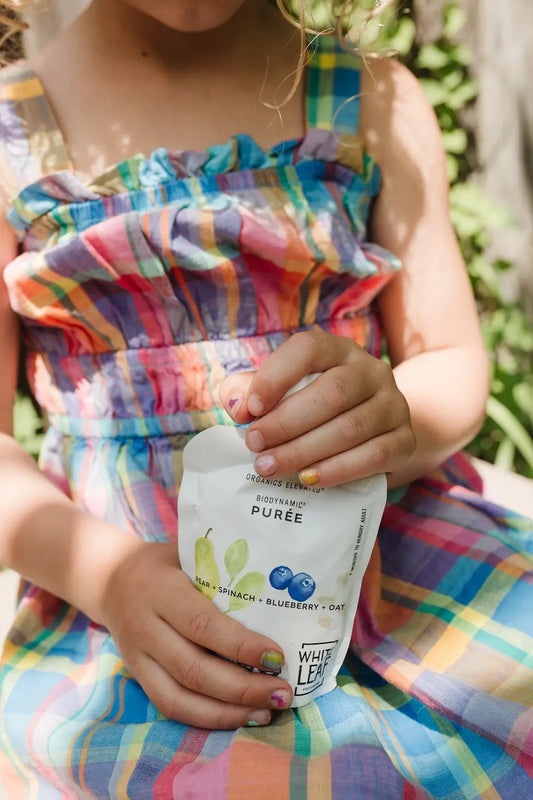
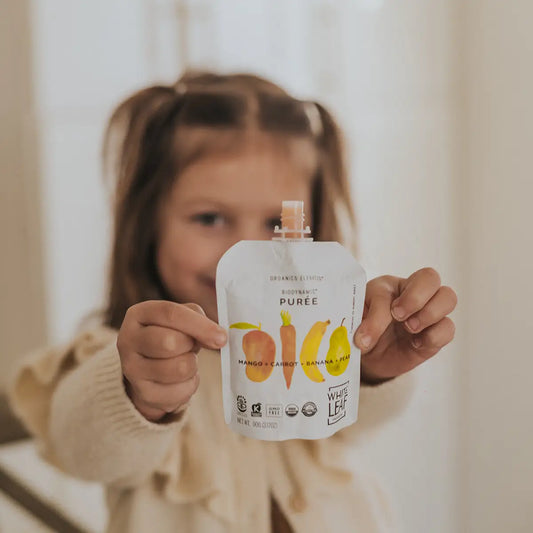
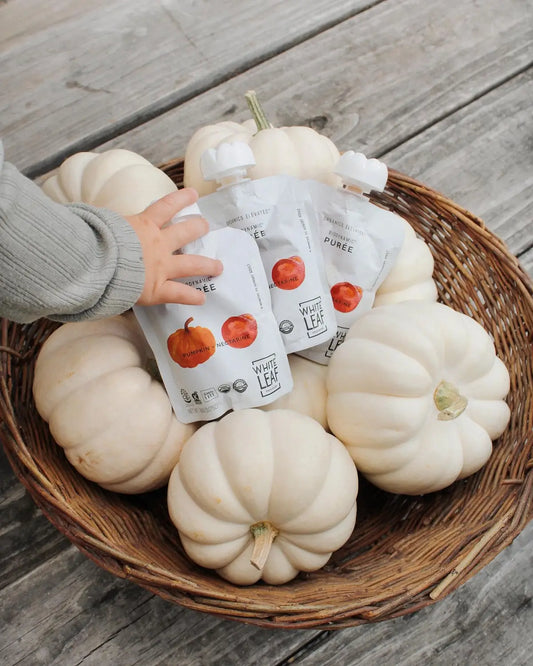
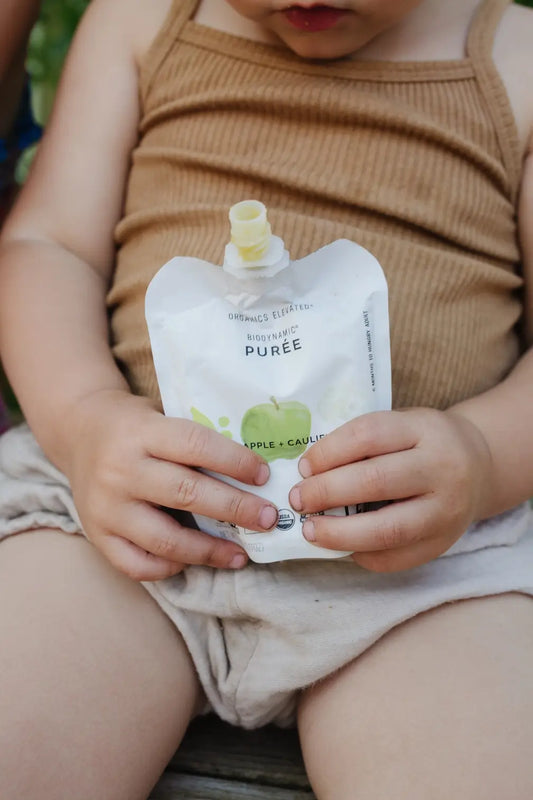
We understand how hard it can be to find biodynamic foods to feed your family, which is why White Leaf Provisions was founded in the first place. We are a family business in Charleston, SC, working to improve the availability of pure food products in the United States. Everything we sell is completely transparent in how it’s farmed, processed, and packaged, so you will know exactly what you’re feeding your kids with every bite.
Our organic, biodynamic unsweetened apple and pear sauce is made from US-grown fruit with no additives, sweeteners, or preservatives. We truly value food that nourishes your family as well as the planet—so give us a taste! We’re confident you’ll agree.